Program: Young Scholars Program (YSP) at Northeastern University
Role: Research Mentor for High School Students
Duration: July 2017 – August 2017 (6 weeks)
Overview: Every summer, Northeastern hosts a 6-week summer program for high school students in various research labs on campus. Each lab has 2 students, that are selected from a pool of approximately 100. I worked with a Professor on campus that I had done prior research with to develop the focus of our 6-week program, and I mentored the students daily through the program.
The end goal of our project was to be able to study coordination and group behavior between robots at the table-top scale. However, in order to do this, we first had to design the robots- hence, the 2 students in our lab were taken through 2 phases of the project; CAD and manufacturing, and coding and implementation.
CAD and Manufacturing
I initially taught the students how to use SolidWorks (as they had never used the software before), and I started by giving them simple projects to work on (e.g. designing a cup). In order to motivate the students, I then gave them the opportunity to design anything they wanted to take home, and 3D printed it for them. The students were able to create the following 2 designs (and renders) after 1 week of training.

Designs Created by YSP Students
Next, the students tackled the CAD for the robot. An Arduino Uno, Adafruit Motor Shield, 2 stepper motors, and a 9V battery were used for the hardware of the robot. Knowing that we would be working with these components, I sat with the students and brainstormed housing ideas.
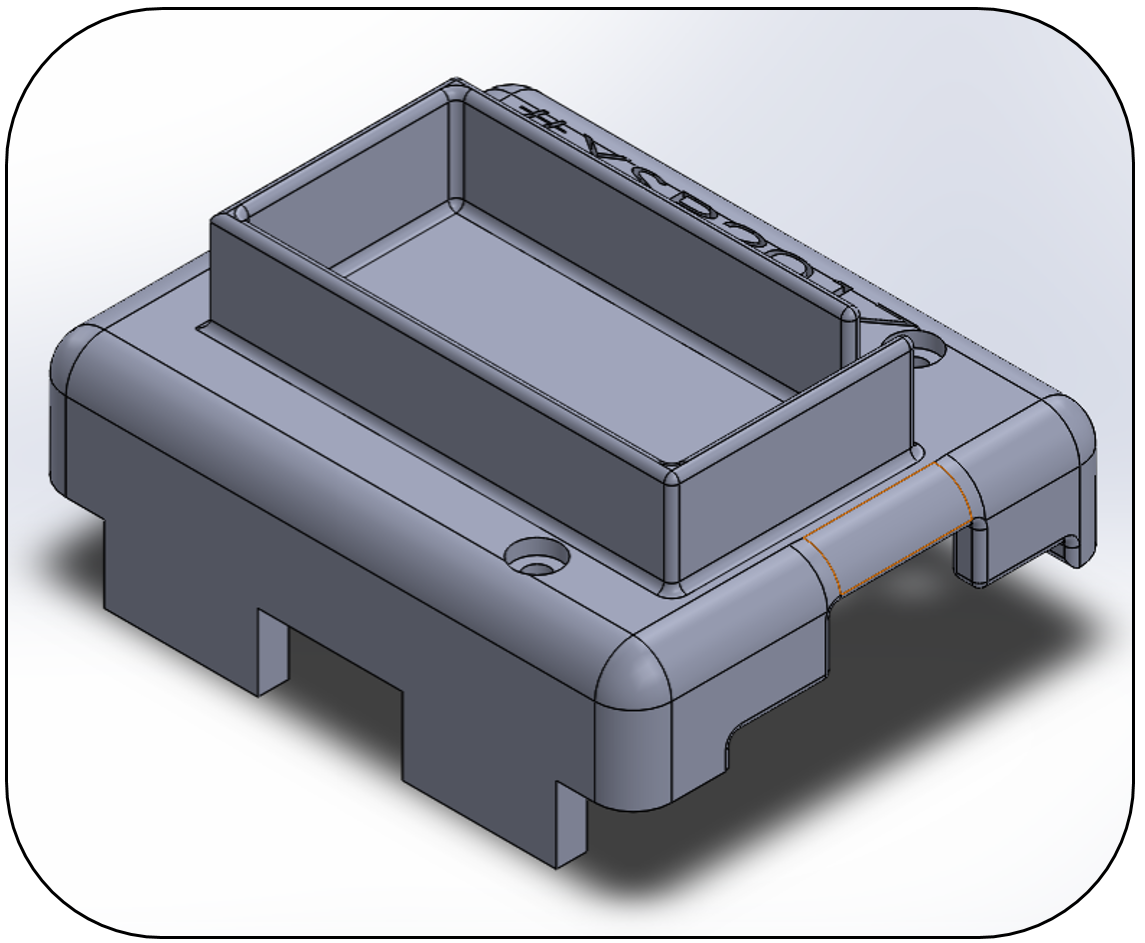
We came up with a 2-part assembly for the housing which encompassed the entire hardware of the system. However, once we printed, assembled, and tested the robot, we noticed there was tipping. Hence we redesigned the bottom half of the housing to include a stabilization post, and 3D printed it again. Through this process, the students learned about iterative designing, geometric dimensioning and tolerancing, and limitations in 3D printing techniques.
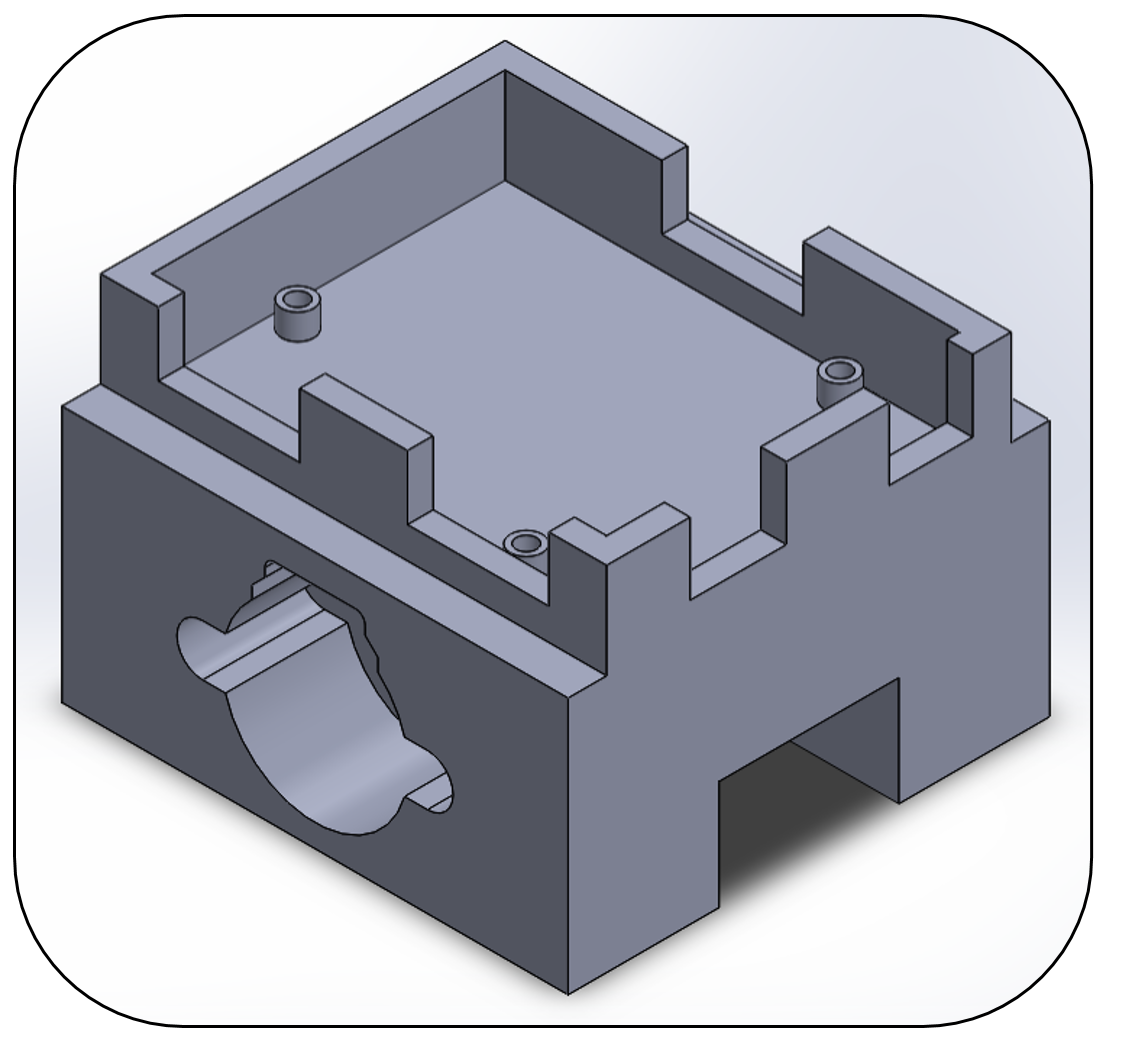
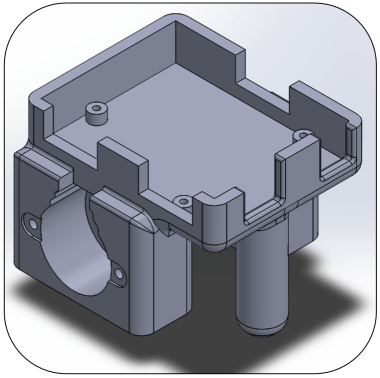
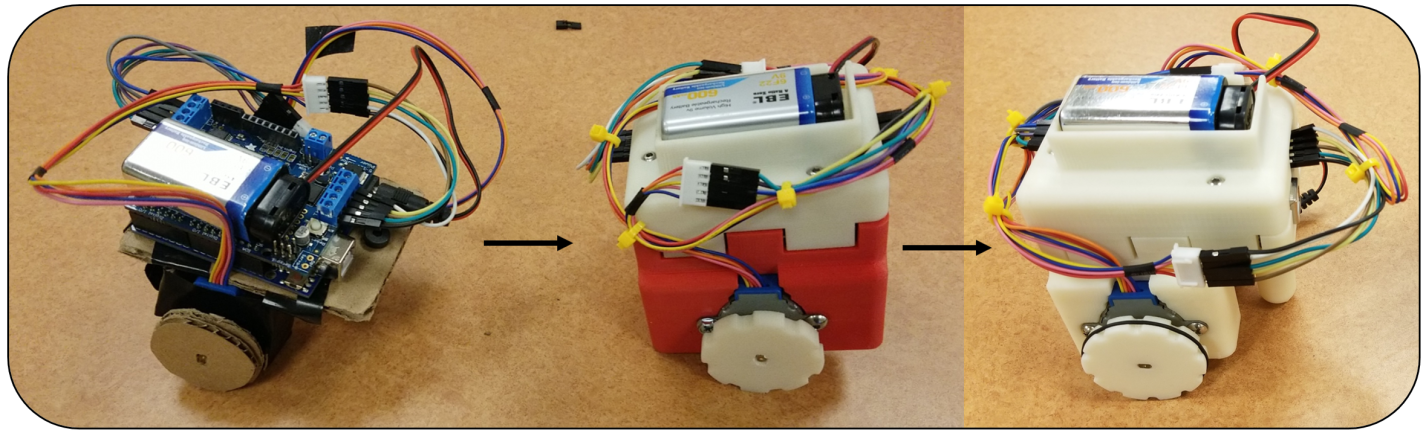
The images above are of the development of the robot design from the 1st generation to the 3rd.
Coding and Implementation
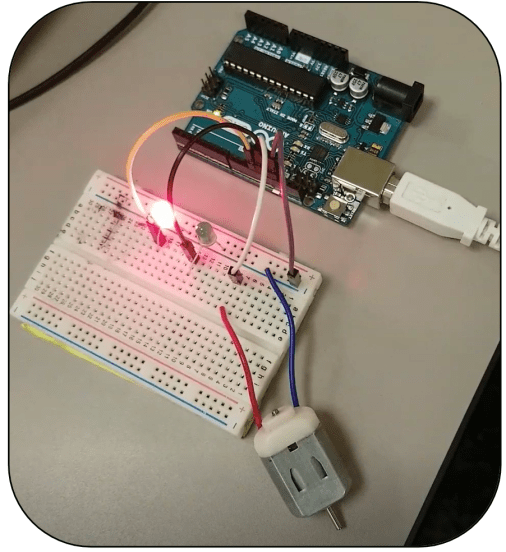
As the students were unfamiliar to Arduino Uno, I started by teaching them simple commands; such as how to send voltage to a pin, how to use delays in the code, and how to assign variables in the code. They experimented with an example called “Blink”, and I gave each of them a breadboard, green LED, red LED, and DC motor, and asked them to simulate a traffic signal incorporating delays in human reaction. They did so successfully, as is shown in the image to the right.
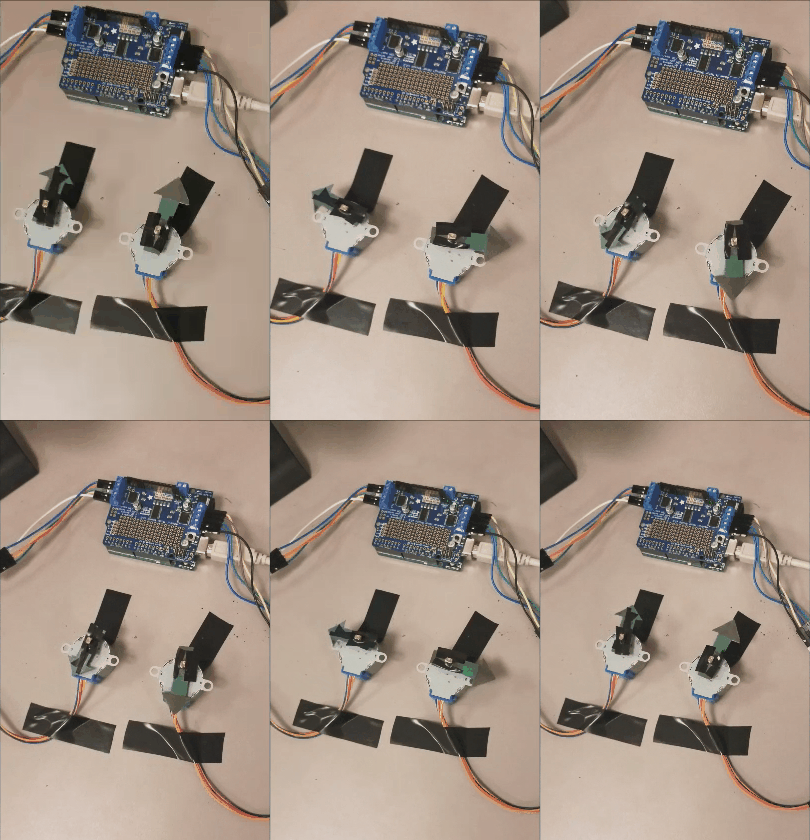
Next, I gave the students the stepper motors we were going to use for the robot, along with the Adafruit Motor Shield, and tasked them with moving the motors in sync, and out of sync. I taught them how to use “for” and “while” loops, and they became proficient quickly. The GIF to the left shows the students coding the steppers.
Once the students had become proficient in the use of Arduino, and knew how to control the stepper motors, I gave them certain basic trajectories to see if they could follow a path based on the radius of the robot wheel and the number of steps required by the stepper motor to obtain the required distance. I gave one student a square with 300 mm edges, and tasked the student to make center point turns with the robot, and I gave the other student a circle with a diameter of 300 mm. Each trajectory required slightly complex coding as the square required center point turns at the corner, and the circle required moving one wheel slower that the other. However, the students successfully completed their tasks with little help, and the GIFs below show their achievements.


Skills Gained:
- I gained experience in mentoring and working with other students. I met them daily from 9:30am to 4pm, in which we made a lot of progress on the project together. I also was responsible for maintaining the schedule which I created on a Gantt chart.
- I mastered my proficiency in SolidWorks as I was able to successfully teach it to high school students (I now have 5 years of experience with CAD in SolidWorks)
- I elevated my skills in coding in Arduino as I learned more through teaching the students.
- I gained skills in project management and leadership.
 Mohit Bhardwaj